How to Stay Anonymous Online Using Temporary Email
How to Stay Anonymous Online Using Temporary Email
Internet users worldwide now have serious concerns about online privacy. You are often asked for your email address each time you establish an account, download a resource, or register for a website. This can expose your personal mailbox to spam emails, commercial communications, and possible security issues, even while it helps websites verify users and deliver notifications.
For marketing or data analysis purposes, a lot of websites gather email addresses, which may occasionally be shared with outside parties. For this reason, a lot of individuals search for methods to safeguard their private email accounts and remain anonymous online.
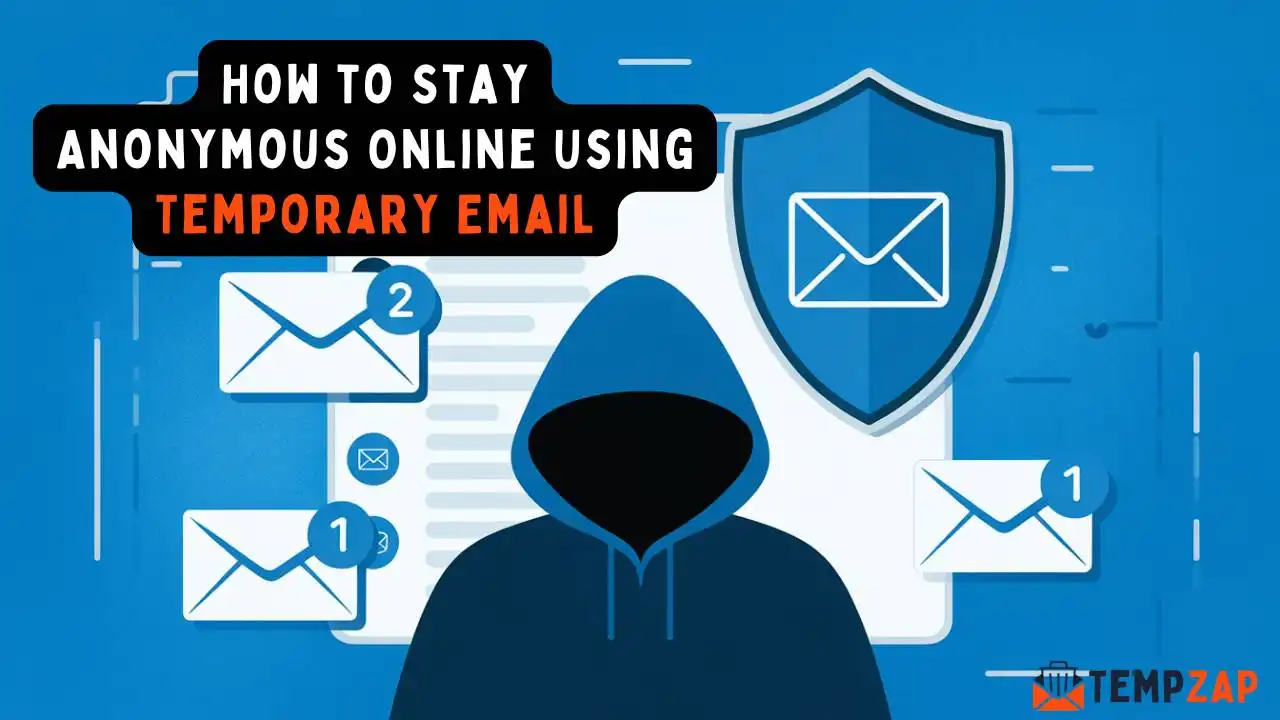
One of the easiest and most effective methods to protect your privacy is by using a temporary email address. Temporary email services allow you to receive messages without revealing your real inbox, helping you stay anonymous online while reducing spam.
In this guide, we will explain how temporary email works, why it is useful for online privacy, and how you can use it safely to stay anonymous on the internet.
What Is a Temporary Email Address?
A temporary email address (also known as disposable email or temp mail) is a short-term email account that exists for a limited period of time. These email addresses allow users to receive emails without creating a permanent account.
Temporary email services typically generate an inbox instantly, allowing users to:
Receive verification emails
Access links sent by websites
Sign up for services temporarily
Once the session expires, the inbox and its emails are automatically deleted.
Because temporary emails do not require personal information or registration, they are widely used by people who want to protect their identity and maintain online privacy.
Why Staying Anonymous Online Matters
Many internet users underestimate the importance of protecting their digital identity. However, sharing your personal email address everywhere online can lead to several issues.
Some of the most common risks include:
Spam Emails
Many websites collect email addresses for promotional campaigns. This can lead to a large number of marketing emails and unwanted newsletters in your inbox.
Data Tracking
Companies often track email addresses to build user profiles and analyze behavior across websites and platforms.
Privacy Risks
If a website experiences a data breach, your email address may be exposed publicly or sold on the internet.
Phishing Attempts
Once your email address becomes widely known, it may be targeted by phishing emails or scam messages.
Using a temporary email address helps reduce these risks and protects your primary inbox from unnecessary exposure.
How Temporary Email Helps You Stay Anonymous
Temporary email services provide several privacy benefits that make them useful for maintaining online anonymity.
1. Protects Your Real Email Address
The main benefit of using temporary email is that your personal email address remains private.
Instead of providing your real inbox during website registrations, you can use a disposable email address. This keeps your primary email safe from spam and data collection.
2. Reduces Spam in Your Inbox
Many websites send promotional emails after registration. By using a temporary email address for non-essential signups, you can prevent your main inbox from being flooded with unwanted messages.
This keeps your email organized and easier to manage.
3. Prevents Long-Term Tracking
Since temporary email addresses expire automatically, they cannot be used for long-term tracking. Once the email address disappears, the connection between you and that account is removed.
This helps improve online anonymity and digital privacy.
4. Helps With Quick Registrations
Temporary email addresses are especially useful when you need to quickly access a website that requires email verification.
Instead of creating a new permanent email account, you can generate a temporary inbox instantly and receive the verification message within seconds.
Common Situations Where Temporary Email Is Useful
Temporary email can be used in many situations where privacy is important.
Signing Up for New Websites
Many websites require an email address just to access their content. If you are unsure about the site’s reliability, using a temporary email address can protect your personal inbox.
Downloading Free Resources
Some websites require email verification before allowing users to download files such as eBooks, software tools, or guides.
Using a disposable email address helps avoid long-term marketing emails.
Testing Applications
Developers and testers often use temporary email addresses to create multiple accounts during application testing.
This allows them to verify email functionality without managing many permanent accounts.
Accessing Trial Services
Some online services offer free trials that require email verification. Temporary email allows users to activate trials without sharing their personal inbox.
Best Practices for Staying Anonymous Online
While temporary email is helpful for privacy, it should be used as part of a broader strategy for online security.
Here are some additional tips for protecting your digital identity.
Use Strong Passwords
Always create strong and unique passwords for your accounts. Avoid reusing the same password across multiple websites.
Enable Two-Factor Authentication
Two-factor authentication (2FA) adds an additional layer of security to your accounts by requiring a second verification step during login.
Avoid Sharing Personal Information
Be cautious when entering personal details on unfamiliar websites. Only provide necessary information and verify that the website is trustworthy.
Use Secure Connections
Make sure websites use secure connections (HTTPS) before entering sensitive information.
Regularly Review Your Online Accounts
Check your accounts periodically to ensure there is no suspicious activity or unauthorized access.
Temporary Email vs Real Email
Understanding the difference between temporary email and regular email accounts can help users choose the right option for different situations.
| Feature | Temporary Email | Real Email |
|---|---|---|
| Account Duration | Short-term | Permanent |
| Registration Required | No | Yes |
| Privacy Level | High | Moderate |
| Spam Risk | Low | Higher |
| Best Use | Quick signups, privacy | Personal communication |
Temporary email works best for short-term tasks, while permanent email accounts should be used for important communications and long-term services.
How TempZap Helps Protect Your Privacy
Temporary email services like TempZap make it easy to generate a disposable inbox instantly. Users can receive verification emails, access activation links, and sign up for services without exposing their personal email addresses.
Some benefits of using a temporary email service include:
Instant inbox generation
No registration required
Quick email delivery
Reduced spam in your primary inbox
This makes temporary email tools a practical solution for users who want to protect their identity and stay anonymous online.
As more services demand personal information and email verification, online privacy is becoming more and more crucial.
One of the easiest methods to safeguard your personal mailbox, cut down on spam, and maintain your online anonymity is to use a temporary email account. Disposable email services are helpful for rapid registrations, downloads, and application testing since they let users receive messages without disclosing their actual email address.
You may greatly enhance your online privacy and keep more control over your digital identity by combining ephemeral email with other security measures like strong passwords, two-factor authentication, and cautious surfing.